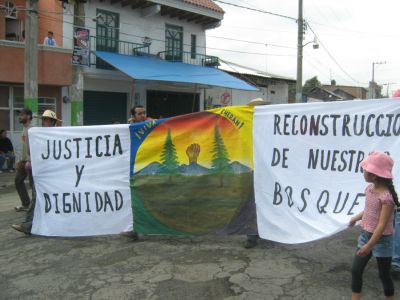
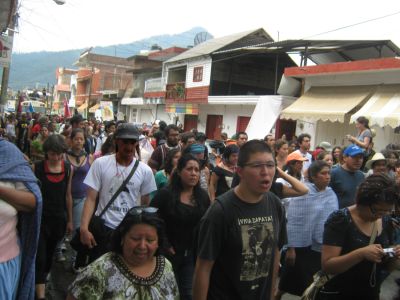
Week of mobilization and international solidarity from September 21 to September 30, for all our comrades kidnapped all over the world.
The survival of capitalism is so monotonous and is structured in such a way that it is not so different from that of cruel prison. Cities, timetables, work, school, family and countless repressive bodies are suffocating us in a way that resembles a big prison unit. Surveillance cameras 24 hours a day, thousands of cops defending property, severe judges smiling satisfied when they enforce their harsh laws, tight handcuffs before their impregnable cages, etc, etc: this is what society uses in order to keep individuals under control; those who, fearing the punishment reserved to those who trespass the codes of imposed behaviour, stay silent, get used to oppression, absorb it like an integral part of life, like something natural, and so they prefer to avoid conflict with authority instead of rebelling. The powerful in all States don’t spare any efforts to repress and imprison those who have set themselves against the existent.
But today we are not going to write about survival within capitalism. We want to greet those who did not hesitate to trespass their moral enclosures and fought power face to face, those who today are inside the most blatant edifice of repression, prison. We are writing to express our solidarity with our comrades in jail. Power attacks by imprisoning comrades and organizes itself in order to crush the ideas of freedom. The revenge of power particularly hits well known individuals who openly declare themselves antiauthoritarian or anarchist and make an important weapon of struggle out of the spreading of ideas-deeds, as happened in Italy, Bolivia and Chile. The spectre generating from the possibility of an international web (we don’t mean any kind of organization) must continue to materialize like a real proposal.
A web through which comrades in different parts of the world - who don’t know one another nor will they ever meet, don’t obey any kind of structure or need any ideologies or ‘leaders’, can unite their will, efforts and complicity in order to face dominion in all its aspects, and with different instruments can overcome language barriers and fictitious borders and establish links of solidarity by overcoming false impositions…
Therefore, from September 21 to September 30, we call for a week of unrest and solidarity with our brothers and sisters, with comrades kidnapped all over the world. It shouldn’t be necessary to make calls for a week of unrest, as we normally don’t like to do this because ‘solidarity’ does not knows calendar dates. But actions are being diluted in the endless chasm of information and in ‘so-called local struggles’, whereas the concentration of our energies in a limited period of time will help us to give a renewed and constant impulse to the struggle against prison and the spreading of libertarian ideas. Any action, any word of support gives strength and courage to prisoners. And in this struggle for total liberation we don’t forget the repression suffered by millions of animals locked up in zoos, circuses and laboratories. We must struggle for their liberation.
This is a call to say, by multiform actions and different instruments, that our imprisoned comrades are not forgotten. Our actions of solidarity elude all watchtowers and run over kilometres of ocean in order to embrace all the irreducible standing out in the struggle inside and outside prison. However we put the abstract imposition of borders into question, since so-called internationalism shouldn’t be such, considering that ‘in the world of bosses we are all foreigners.’
Rebel greetings to:
-In Chile: Luciano Pitronello “Tortuga”, Carla Verdugo and Iván Silva, the comrades of so-called “Segurity case”: Juan Aliste Vega, Marcelo Villarroel, Freddy Fuentevilla. To Alberto Olivares, Juan Tapia and to the brother and sister on the run Gabriela Curilem and Diego Rios. And to those arrested in street struggles; Sebastian “Chasca” Fajardo, Eduardo “Mecha” Garay, and to all those standing trial for street clashes.
- In Bolivia: Henry Serragundo, Nina Mancilla and Mayron Mioshiro
- In Argentina: Diego Petrissans and Leandro Morel
- In Mexico: Mario Lopez, Braulio Duran and comrade on the run Felicity
Ryder’s.
-In the States : Mumia Abu Jamal, Douglas Wrigth, Brandon Baxter, Connor Stevens, Joshua Stafford, Marie Mason, Eric McDavid .
-In Indonesia: Eat and Billy.
-In Italy: Stefano Gabriele Fosco, Elisa Di Bernardo, Alessandro Settepani, Sergio Maria Stefani, Katia Di Stefano, Giuseppe Lo Turco, Paola Francesca Iozzi, Giulia Marziale, Lucca Abbá and those sentenced for the clashes of the G8 Genoa 2001,, Massimo Passamani and Daniela Battisti (under house arrest).
-In Switzerland: Marco Camenisch and Costa.
-In Germany: Gabriel Pombo da Silva, and Sonja Suder and her codefendant Christian Gauger (the latter two were captured last year after 33 years on the run
-In Spain: Tamara Hernández (now free on bail, she was sentenced to 8 years awaiting partial amnesty to shorten her sentence), Claudio Lavazza and Juan Rico.-To the comrades imprisoned in Russia and Belorrussia.
And above all to all the prisoners in struggle and the comrades on the run in Greece (the comrades of the Cells of Fire, Revolutionary Struggle and all those imprisoned for their antiauthoritarian practice).
And to all the prisoners who set themselves at war also from inside the cages all over the world…
Until the destruction of the last bastion of the prison society!
With anger and love…
see you in the streets!
———————————————————————————————————————————————-
GREEK
[Χιλή] 21-30 Σεπτέμβρη: Μέρες αγκιτάτσιας και αλληλεγγύης με τα αιχμάλωτα
αδέρφια και συντρόφια μας ανά τον κόσμο
Η επιβίωση στον καπιταλισμό είναι τόσο καλουπωμένη και μονότονη, ώστε δεν διαφέρει πολύ από την ωμή φυλακή. Η πόλη, τα ωράρια, η δουλειά, οι σπουδές, η οικογένεια και ένα σωρό καταπιεστικοί οργανισμοί μάς πνίγουν με τρόπο τέτοιον που μερικές φορές μοιάζει λες και βρισκόμαστε σε κάποια μεγάλη πτέρυγα φυλακής. Κάμερες παρακολούθησης επί 24ώρου βάσης, χιλιάδες μπάτσοι να φυλάνε την ιδιοκτησία, αυστηροί δικαστές με χαμογελάκια ευχαρίστησης για την εφαρμογή των δρακόντειων νόμων τους, σφιχτές χειροπέδες που προηγούνται των ακατανίκητων κλουβιών τους και μια ατελείωτη σειρά αντίστοιχων καταστάσεων, είναι ό,τι χρησιμοποιεί η κοινωνία για να κρατά στη σειρά τα άτομα, τα οποία, τρέμοντας τις τιμωρίεςπου τους περιμένουν αν σπάσουν τον επιβεβλημένο κώδικα συμπεριφοράς, το βουλώνουν, συνηθίζουν στην καταπίεση και την αφομοιώνουν ως δομικό στοιχείο της ζωής τους, ως κάτι το φυσικό, προτιμώντας να αποφύγουν τα μπλεξίματα με την εξουσία, αντί να εξεγερθούν.
Οι ισχυροί όλων των κρατών δεν τσιγκουνεύονται τα μέσα κάθε είδους
προκειμένου να καταστείλουν και να φυλακίσουν όσους κρατάνε στάση
σύγκρουσης με το υπάρχον. Σήμερα όμως δεν θα γράψουμε για την επιβίωση εντός του καπιταλισμού, αλλά θα χαιρετίσουμε όσες και όσους δεν δίστασαν να υπερβούν τους ηθικούς τους φραγμούς και αντιμετώπισαν πρόσωπο με πρόσωπο την εξουσία, όσες και όσους σήμερα πλαγιάζουν στην πιο προφανή απόδειξη της καταστολής, τη φυλακή. Γράφουμε για να εκφράσουμε την επείγουσα ανάγκη μας να δείξουμε την αλληλεγγύη μας στα έγκλειστα συντρόφια μας.
Η εξουσία επιτίθεται φυλακίζοντας συντρόφια και οργανώνεται για να
καταπολεμήσει τις ιδέες της λευτεριάς, με την εκδικητικότητά της να πέφτει κυρίως επί αναγνωρίσιμων ατόμων που χωρίς περιστροφές δηλώνουν αντεξουσιαστές ή αναρχικοί και φτιάχνουν μέσω της προπαγάνδας των ιδεών-δράσεων ένα σημαντικότατο όπλο αγώνα, όπως συνέβη στην Ιταλία, στη Βολιβία ή στη Χιλή. Το φάντασμα που γεννά η δυνατότητα ενός διεθνούς δικτύου (δεν αναφερόμαστε σε κανενός είδους οργάνωση) συνεχίζει να υλοποιείται ως μία πρόταση πραγματική, στην οποία συντρόφια από διάφορα μέρη του κόσμου, που δεν γνωρίζονται ούτε θα γνωριστούν μεταξύ τους, που δεν υπακούουν σε κανενός είδους δομή και δεν αναζητούν μήτε ιδεολογικούς ταγούς μήτε αρχηγούς, ενώνουν επιθυμίες, δυνάμεις και συνενοχές για να αντιμετωπίσουν την κυριαρχία σε όλο της το φάσμα, χρησιμοποιώντας διαφορετικά εργαλεία, υπερβαίνοντας τα γλωσσικά εμπόδια και τα κάλπικα σύνορα, εδραιώνοντας δεσμούς αλληλεγγύης και ξεπερνώντας τις ψεύτικες
επιβολές…
Γι’ αυτόν το λόγο, από τις 21 ως τις 30 Σεπτέμβρη καλούμε σε μια βδομάδα αγκιτάτσιας και αλληλεγγύης προς τα αιχμάλωτα αδέρφια και συντρόφια μας ανά τον κόσμο. Αν και δεν θα έπρεπε να είναι αναγκαίο να καλούμε σε εβδομάδες αγκιτάτσιας, μιας και γενικά είμαστε κριτικοί απέναντι σε αυτά τα καλέσματα, δεδομένου ότι η αλληλεγγύη δεν γνωρίζει ημερολογιακό προγραμματισμό, θεωρούμε ωστόσο ότι μερικές φορές οι χειρονομίες χάνονται στον καθημερινό καταιγισμό πληροφορίας και τους αποκαλούμενους «τοπικούς αγώνες», και έτσι η συγκέντρωση ενέργειας σε ένα χρονικό διάστημα καθορισμένο μάς βοηθά να δώσουμε μια νέα και συνεχή ώθηση στον αγώνα ενάντια στις φυλακές και στην προπαγάνδιση των ελευθεριακών ιδεών, με οποιαδήποτε δράση, οποιαδήποτε κουβέντα συμπαράστασης να δίνει δύναμη και
κουράγιο στους κρατουμένους. Σε αυτόν τον αγώνα για τη συνολική
απελευθέρωση δεν θέλουμε να αφήσουμε στην απέξω την καταστολή στην οποία υπόκεινται μυριάδες ζώα που βρίσκονται έγκλειστα σε ζωολογικούς κήπους, τσίρκα και εργαστήρια, και την ανάγκη μας να αγωνιστούμε για την απελευθέρωσή τους.
Αυτό το κείμενο καλεί να δείξουμε μέσω της πολύμορφης δράσης και
διαφορετικών εργαλείων πως δεν ξεχνάμε τα έγκλειστα συντρόφια μας και ότι οι αλληλέγγυες χειρονομίες μας ξεφεύγουν οποιουδήποτε πύργου επιτήρησης και διασχίζουν μίλια ωκεανού για ν’ αγκαλιάσουν οποιοδήποτε ανυπότακτο άτομο αγωνίζεται μέσα ή έξω από τις φυλακές. Παρομοίως, αμφισβητούμε την αφηρημένη επιβολή των συνόρων, γι’ αυτό ο αποκαλούμενος διεθνισμός δεν θα ’πρεπε να ’ναι ως έχει, γιατί «στον κόσμο των αφεντικών είμαστε όλοι ξένοι».
Αντάρτικους χαιρετισμούς σε:
- Χιλή: Σε Λουσιάνο Πιτρονέγιο «Τορτούγα», Κάρλα Βερδούγο και Ιβάν Σίλβα, στους συντρόφους της αποκαλούμενης «υπόθεσης σεκιούριτι» Χουάν Αλίστε Βέγκα, Μαρσέλο Βιγιαροέλ και Φρέντυ Φουεντεβίγια. Επίσης, στους Αλμπέρτο Ολιβάρες, Χουάν Ταπία, καθώς και στα φυγόδικα συντρόφια Γκαμπριέλα Κουριλέμ και Ντιέγο Ρίος. Ακόμη, στους Σεμπαστιάν Φαχάρδο, Εδουάρδο Γκαράυ, Αντριάν Ντίας και σε όλους τους αιχμαλώτους και διωκόμενους των οδομαχιών.
- Βολιβία: Σε Χένρυ Σεγαρρούντο, και Μάυρον Μιοσίρο.
- Αργεντινή: Σε Ντιέγο Πετρισσάνς και Λέανδρο Μορέλ.
- Μεξικό: Στους Μάριο Λόπες, Μπράουλιο Ντουράν και στη φυγόδικη
συντρόφισσα Φελίσιτυ Ράιντερ.
- ΗΠΑ: Στους Μούμια Αμπού Τζαμάλ, Ντάγκλας Ράιτ, Μπράντον Μπάξτερ, Κόννορ
Στήβενς, Τσόσουα Στάφορντ, Μαρί Μασον και Έρικ ΜακΝτέιβιντ.
- Ινδονησία: Στους Ητ και Μπίλλυ.
- Ιταλία: Στους Στέφανο Γκαμπριέλε Φόσκο, Ελίζα Ντι Μπερνάρντο, Αλεσσάντρο
Σεττέπανι, Σέρτζιο Μαρία Στεφάνι, Κάτια Ντι Στέφανο, Τζουζέππε Λο Τούρκο,
Πάολα Φραντσέσκα Ιότζι, Τζιούλια Μαρτσιάλε, Λούκα Αμπά, και στους
καταδικασθέντες για τις διαδηλώσεις ενάντια στη σύνοδο της G8 στη Γένοβα, Μασσιμο πασαμανι, Ντανιελα μπαττιστι(περιορισμενη μεσα στο σπιτι της)
- Ελβετία: Στους Μάρκο Καμένις και Κόστα.
- Γερμανία: Γκαμπριέλ Πόμπο ντα Σίλβα, Σόνια Σούντερ και Κρίστιαν
Γκάουγκερ (η Σόνια και ο Κρίστιαν συνελήφθησαν το περασμένο έτος ύστερα από 33 χρόνια αυτοεξορίας).
- Ισπανία: Στους Ταμάρα Ερνάντες (αυτήν τη στιγμή ελεύθερη, έχει
καταδικαστεί σε 8 έτη φυλάκισης κι αναμένει να λάβει μερική χάρη
προκειμένου να της μειωθεί η ποινή), Κλάουντιο Λαβάτσα και Χουάν Ρίκο.
- Στα έγκλειστα συντρόφια σε Ρωσία και Λευκορωσία.
Ιδίως στην Ελλάδα, σε όλους τους φυλακισμένους αγωνιστές και στους
καταζητούμενους. (Στα συντρόφια της Συνωμοσίας Πυρήνων της Φωτιάς, του Επαναστατικού Αγώνα και σε όλους κι όλες που βρίσκονται όμηροι για αντεξουσιαστική τους πράξη.)
Και σε όλους τους κρατουμένους που κρατάνε μαχητική στάση μέσα απ’ τα
κελιά οπουδήποτε στον κόσμο…
Μέχρι την καταστροφή και του τελευταίου προπύργιου της κοινωνίας των φυλακών!
ΜΕ ΑΓΑΠΗ ΚΑΙ ΛΥΣΣΑ… ΡΑΝΤΕΒΟΥ ΣΤΟ ΔΡΟΜΟ.
--------------------------------------------------------------------------------------------
ITALIANO:Settimana di agitazione e solidarieta` internazionale dal 21 al 30 Settembre per i nostri compagni e le nostre compagne sequestrat@ in tutto il mondo
La sopravvivenza nel capitalismo e` cosi` quadricolata e monotona da non essere poi molto differente da quella della cruda prigione; la citta`, gli orari, il lavoro, lo studio, la famiglia e un innumerabile quantita` di organismi oppresivi, ci asfissiano in tal modo che a volte sembrerebbe stessimo in qualche grande sezione carceraria. Videocamere di vigilanza 24 ore al giorno, migliaia di sbirri custodiando la proprieta`, severi giudici con sorrisetti soddisfatti all’applicare le loro leggi durissime, strette manette che precedono le loro gabbie inespugnabili e un lunghissimo eccetera, e` tutto cio` che la societa` utilizza per mantenere controllati gli individui, coloro che, timorosi dei castighi promessi a chi sconfina i codici di condotta imposta, tacciono, si abituano alla oppressione, la assimilano come parte integrale della vita, come qualcosa di naturale e preferiscono evitare i conflitti con la autorita` invece di ribellarsi.I potenti di tutti gli stati non si sono risparmiti sforzi di tutti i tipi per reprimere e incarcerare coloro che si sono mantenuti in posizioni di scontro con l’esistente.
Ma oggi non scriveremo a proposito della sopravvivenza dentro al capitalismo, vogliamo invece salutare quell@ che non hanno avuto nessun dubbio a traspassare i loro recinti morali e si sono scontrati faccia a faccia con il potere, quell@ che ad oggi dormono dentro al piu`palpabile edificio della repressione, il carcere. Scriviamo per esprimere la nostra urgenza di solidarizzare con i nostri compagni e le nostre compagne in galera.
Il potere attacca incarcerando i compagni e le compagne e si coordina per combattere le idee di liberta`.
Questa vendetta ricade principalmente su individui ben riconoscibili che senza maschere si sono dichiarati antiautoritari o anarchici e hanno fatto del propagarsi delle idee-azioni una importantissima arma di lotta, come cio` che e` successo in Italia, Bolivia o Cile.
Il fantasma che si genera nella possibilita`di una rete internazionale (non ci riferiamo a nessun tipo di organizzazione) continui a materializzarsi, come una proposta reale.
Una rete nella quale compagn@ di differenti luoghi del mondo, che non si conoscono ne`si conosceranno mai, che non obbediscono a nessun tipo di struttura e che non hanno bisogno di ideologi ne`leader, uniscano volonta`, sforzi e complicita`per confrontarsi con il dominio in tutto il suo spettro; che, attraverso differenti strumenti, superando le barriere linguistiche e le frontiere fittizie, stabiliscano legami di solidarieta` e superino le false imposizioni…
Convochiamo quindi, dal 21 al 30 di settembre, una settimana di agitazione e solidarieta’ con i nostri fratelli e le nostre sorelle, con i compagni e le compagne sequestrat@ in tutto il mondo.
Anche se non dovrebbe essere necessario appellare a settimane di agitazione, visto che in generale ne siamo critici perche` la solidarieta’ non conosce date di calendario, i gesti comunque si vanno diluendo nella continua voragine della informazione e nelle “cosidette lotte locali” mentre la concentrazione delle energie in un lasso di tempo ridotto, ci aiuta invece a dare un nuovo e costante impulso nella lotta contro le carceri e nella diffusione delle idee libertarie; qualsiasi azione, qualsiasi parola di appoggio apporta forza e coraggio ai detenuti e alle detenute.
E in questa lotta per la liberazione totale non vogliamo tralasciare la repressione che soffrono milioni di animali chiusi in zoo, circhi e laboratori, e della nostra necessita` di lottare per la loro liberazione.
Questo testo e` una chiamata per dire, mediante l’azione multiforme e con distinti strumenti, che i nostri compagni e le nostre compagne incarcerat@ non sono dimenticat@, i nostri gesti di solidarieta’ evadono qualsiasi torre di vigilanza e attraversano chilometri di oceano per abbracciare a qualsiasi irriducibile che si posizioni nella lotta dentro e fuori dal carcere.
Della stessa forma poniamo in dubbio questa imposizione astratta delle frontiere, ragione per cui il cosidetto internazionalismo non dovrebbe essere tale, visto che “nel mondo dei leader siamo tutti stranieri”.
Saluti ribelli a:
-In Cile: Luciano Pitronello “Tortuga”, Carla Verdugo e Iván Silva, a i compagni e le compagne del cosidetto “caso Segurity”: Juan Aliste Vega, Marcelo Villarroel, Freddy Fuentevilla. A Alberto Olivares, Juan Tapia e ai fratelli e sorelle profugh@ Gabriela Curilem e Diego Rios. E agli arrestati della lotta di strada; Sebastian Fajardo, Eduardo Garay, e a tutt@ quell@ che sono ora sotto processo per gli scontri di strada.
- In Bolivia: Henry Serragundo e Mayron Mioshiro.
- in Argentina: Diego Petrissans e Leandro Morel.
- in Messico: Mario Lopez, Braulio Duran e la compagna prófuga Felicity Ryder.
-Negli Stati uniti : Mumia Abu Jamal, Douglas Wrigth, Brandon Baxter, Connor Stevens, Joshua Stafford, Marie Mason e Eric McDavid.
-In Indonesia: Eat y Billy.
-In Italia: Stefano Gabriele Fosco, Elisa Di Bernardo, Alessandro Settepani, Sergio Maria Stefani, Katia Di Stefano, Giuseppe Lo Turco, Paola Francesca Iozzi, Giulia Marziale, Lucca Abbá e a chi e’ stat@ condannat@ per le proteste del G8 a Genova, Massimo Passamani e Daniela Battisti (agli arresti domiciliari).
-In Svizzera: Marco Camenish e Costa.
-In Germania: Gabriel Pombo da Silva. Sonja Suder e Christian Gauger (questi ultimi due arrestati l’anno scorso dopo 3 anni di fuga).
-In Spagna: Tamara Hernández (adesso a piede libero, condannata a 8 anni e aspettando l’indulto parziale per accorciare la pena), Claudio Lavazza e Juan Rico.
-Ai compagni e alle compagne incarcerat@ in Russia e Biolorrussia.
- E specialmente a tutt@ i/le prigionier@ in lotta e ai/alle profugh@ in Grecia. (Ai compagni e le compagne di Cellule di Fuoco, Lotta rivoluzionaria e tutt@ quell@ che sono stat@ incarcerat@ per la propria pratica antiautoritaria)
E a tutt@ i/le prigionier@ che si posizionano in guerra anche dentro le gabbie in qualsiasi parte del mondo…
Fino alla distruzione dell’ultimo bastione della societa’ carceraria!
CON AMORE E RABIA… CI VEDIAMO NELLE STRADE!
----------------------------------------------------------------------------------------------
GERMAN
Agitations- und Solidaritätswoche mit unseren gefangenen Schwestern, Brüdern und GenossInnen auf der ganzen Welt vom 21. bis 30. September.
Das Überleben im Kapitalismus ist so eingeschränkt und monoton, dass es sich nicht allzu sehr vom hartem Gefängnisleben unterscheidet; die Stadt, die Zeitpläne, die Arbeit, das Studium, die Familie und eine Unzahl an unterdrückenden Organismen ersticken uns, so dass es manchmal scheint, als ob wir in irgendeinem großen Gefängnistrakt wären. Videoüberwachung 24 Stunden am Tag, Tausende von Polizisten, die das Eigentum beaufsichtigen, strenge Richter mit zufriedenen Lächeln auf den Lippen, wenn sie ihre harten Gesetze anwenden, fest sitzende Fußfesseln, die ihren unerschütterlichen Käfigen vorausgehen und eine langen Liste an weiteren Mitteln, die die Gesellschaft benützt, um die Individuen in Schranken zu halten; die versprochenen Strafen bei Überschreitung der auferlegten Verhaltensmaßregeln fürchtend, halten sie den Mund, gewöhnen sich an die Unterdrückung, nehmen sie als Teil ihres Lebens, als etwas natürliches auf und ziehen es somit vor, Konflikte mit der Autorität zu vermeiden und sich lieber nicht aufzulehnen.Agitations- und Solidaritätswoche mit unseren gefangenen Schwestern, Brüdern und GenossInnen auf der ganzen Welt vom 21. bis 30. September.
Die Mächtigen aller Staaten haben keinerlei Mühen gescheut, um diejenigen zu unterdrücken und einzusperren, die in Konfrontationsstellung zu den bestehenden Verhältnissen verharrt haben. Aber heute schreiben wir nicht über das Überleben innerhalb des Kapitalismus, sondern grüssen diejenigen, die nicht gezweifelt haben, ihre moralische Einzäunung zu durchbrechen und sich von Angesicht zu Angesicht der Macht entgegengestellt haben, die heute in dem greifbarsten Gebäude der Repression schlafen, im Gefängnis. Wir schreiben, um der Notwendigkeit Ausdruck zu verleihen, uns mit unseren GenossInnen im Gefängnis zu solidarisieren.
Die Macht greift an, indem sie GenossInnen einsperrt und koordiniert sich, um die Ideen der Freiheit zu bekämpfen; diese Rache fällt vor allem auf erkennbare Individuen ab, die sich offen antiautoritär und anarchisch erklärt und aus der Verbreitung der Ideen-Aktionen eine sehr wichtige Waffe des Kampfes gemacht haben, so wie in Italien, Bolivien und $hile. Das Gespenst, das ihnen die Möglichkeit eines internationalen Netzwerkes eröffnet (wir beziehen uns auf keinerlei Art von Organisation), materialisiert sich immer mehr als ein realer Vorschlag, in dem GenossInnen aus verschiedenen Orten der Welt, die sich weder kennen, noch kennenlernen werden, die keiner Art von Struktur gehorchen und die keine Ideologen, keine AnführerInnen benötigen, Wille, Anstrengung und Komplizenschaft vereinen, um sich der Herrschaft in all ihren Spektren entgegen zu stellen, Solidaritätsbände knüpfen und die falschen Zwänge überwinden, indem sie unterschiedliche Werkzeuge gebrauchen und die sprachlichen Hürden und erfundenen Grenzen überbrücken…
Deswegen rufen wir zu einer Agitations- und Solidaritätswoche mit unseren gefangenen Schwestern, Brüdern und GenossInnen auf der ganzen Welt vom 21. bis 30. September auf. Auch wenn es nicht notwendig sein sollte, zu Agitationswochen aufzurufen -im Allgemeinen stehen wir ihnen kritisch gegenüber, weil die Solidarität keine Kalenderdaten kennt, lösen sich die Gesten jedoch manchmal im fortlaufendem Strudel der Information und den “so genannten lokalen Kämpfen” auf. Die Energien auf einen engeren Zeitraum zu konzentrieren hilft uns, dem Kampf gegen die Gefängnisse und der Verbreitung libertärer Ideen einen neuen und konstanten Antrieb zu geben, jegliche Aktion, jegliches Wort der Unterstützung gibt den Gefangenen neue Kraft und Mut.
Ausserdem möchten wir in diesem Kampf um die totale Befreiung die Repression, die Millionen von Tieren eingesperrt in Zoos, Zirkusse und Labore erleiden, und unser Bedürfnis, um ihre Befreiung zu kämpfen, nicht unerwähnt lassen.
Dieser Text ist ein Aufruf dazu, aus der vielgestaltigen Aktion heraus und mit unterschiedlichen Werkzeugen auszudrücken, dass unsere eingesperrten GenossInnen nicht vergessen sind, unsere Gesten der Solidarität entkommen jeglichem Überwachungsturm und überqueren Kilometer von Ozeanen, um jedes unbezwingbare Individuum zu umarmen, das innerhalb oder ausserhalb der Gefängnisse Position bezieht. Ausserdem stellen wir jene abstrakte Auferlegung der Grenzen infrage, und damit auch den so genannten Internationalismus, dieser dürfte sich nicht so nennen, weil in “der Welt der Bosse sind wir alle AussländerInnen”.
Rebelische Grüsse an:
- In Chile: Luciano Pitronello “Tortuga”, Carla Verdugo und Iván Silva, an die Genossen des so genannten “caso Segurity” (“Segurity Fall”): Juan Aliste Vega, Marcelo Villarroel, Freddy Fuentevilla. An Alberto Olivares, Juan Tapia und an die Schwester und den Bruder auf der Flucht Gabriela Curilem und Diego Rios. Und an die Gefangenen des Straßenkampfes; Sebastian Fajardo, Eduardo Garay, und alle, die wegen des Straßenkampfes prozesiert werden.
- In Bolivien: Henry Serragundo und Mayron Mioshiro
- In Argentinien: Diego Petrissans und Leandro Morel.
- In Mexiko: Mario Lopez, Braulio Duran und die flüchtige Genossin Felicity Ryder.
- In den USA: Mumia Abu Jamal, Douglas Wrigth, Brandon Baxter, Connor Stevens, Joshua Stafford, Marie Mason und Eric McDavid.
- In Indonesien: Eat und Billy.
- In Italien: Stefano Gabriele Fosco, Elisa Di Bernardo, Alessandro Settepani, Sergio Maria Stefani, Katia Di Stefano, Giuseppe Lo Turco, Paola Francesca Iozzi, Giulia Marziale, Lucca Abbá und an die Verurteilten wegen der G8 Proteste in Genua, Massimo Passamani und Daniela Battisti.
- In der Schweiz: Marco Camenish und Costa.
- In Deutschland: Gabriel Pombo da Silva. Sonja Suder und Christian Gauger (die letzten beiden letztes Jahr nach 33 Jahren Flucht erfasst).
- In Spanien: Tamara Hernández (auf der Straße, zu 8 Jahren Haft verurteilt und in Erwartung auf Strafminderung, um die Haftstrafe zu kürzen), Claudio Lavazza und Juan Rico.
- An die in Russland und Belarus eingesperrten GenossInnen.
- Besonders an alle kämpfenden Gefangenen und an die Flüchtigen in Griechenland. (An die GenossInnen der Feuerzellen, Revolutionären Kampfes, und all diejenigen, die auf Grund ihrer antiautoritären Praxis eingesperrt worden sind)
Und an all die Gefangenen, die sich innerhalb der Käfige wo auch immer auf der Welt im Krieg erklären und Position beziehen…
¡Bis das letzte Bollwerk der Knastgesellschaft zerstört ist!
MIT LIEBE UND WUT… WIR SEHEN UNS AUF DER STRASSE.
———————————————————————————————————————————————
SPANISH
Semana de Agitación y Solidaridad desde el 21 al 30 de Septiembre con nuestrxs hermanxs y compañerxs secuestradxs en todo el mundo.
La sobrevivencia en el capitalismo es tan cuadriculada y monótona que no difiere demasiado de la cruda cárcel; la ciudad, los horarios, el trabajo, el estudio, la familia y un sinnúmero de organismos opresivos nos asfixian de manera que a veces pareciera que estuviéramos en algún gran módulo carcelario. Cámaras de video vigilancia 24 horas al día, miles de policías custodiando la propiedad, estrictos jueces con sonrisitas satisfechas por aplicar sus durísimas leyes, apretados grilletes que preceden a sus inexpugnables jaulas y un larguísimo etcétera es lo que la sociedad utiliza para mantener a raya a los individuos, quienes temerosos de los castigos prometidos por desbordar los códigos de conducta impuestos, callan, se acostumbran a la opresión, la asimilan como parte integral de su vida, como algo natural prefiriendo evitar conflictos con la autoridad antes que rebelarse.Los poderosos de todos los Estados, no han escatimado esfuerzos de todo tipo para reprimir y encarcelar a quienes se han mantenido en posiciones de enfrentamiento a lo existente. Pero hoy no escribiremos de la sobrevivencia dentro del capitalismo, sino que saludaremos a esxs que no dudaron en traspasar sus cercas morales y se enfrentaron cara a cara con el Poder, quienes hoy duermen en el más palpable edificio de la represión, la cárcel. Escribimos para expresar nuestra urgencia de solidarizar con nuestrxs compañerxs en prisión.
El Poder ataca encarcelando a compañerxs y se coordina para combatir las ideas de libertad, esta venganza cae principalmente hacia reconocibles individuxs que sin tapujos se han declarado anti-autoritarixs u anárquicxs y han hecho de la propagación de ideas-acciones una importantísima arma de lucha, como lo ocurrido en Italia, Bolivia o $hile. El fantasma que les genera la posibilidad de una red internacional (no nos referimos a ningún tipo de organización) se continúe materializando como una propuesta real, en la cual compañerxs de distintos lugares del mundo, que no se conocen ni se conocerán, que no obedecen a ningún tipo de estructura, y que no requieren de ideólogxs, ni jefxs, aúnen voluntades, esfuerzos y complicidades para enfrentarse al dominio en todo sus espectro, y utilizando distintas herramientas, superando las barreras idiomáticas, y las ficticias fronteras, establezcan lazos de solidaridad y superen las falsas imposiciones….
Es por eso que nos convocamos a una Semana de Agitación y Solidaridad desde el 21 al 30 de Septiembre con nuestrxs hermanxs y compañerxs secuestradxs en todo el mundo. Si bien no debería ser necesario apelar a semanas de agitación, en general somos críticos de ellas, porque la solidaridad no conoce de fechas calendarizadas, sin embargo a veces los gestos se diluyen en la continua vorágine de la información y las “llamadas luchas locales”, la concentración de energías en un espacio de tiempo reducido nos ayuda a dar un nuevo y constante impulso en la lucha contra las cárceles y la propagación de ideas libertarias, cualquier acción, cualquier palabra de apoyo inyecta fuerza y coraje a lxs presxs.
En esta lucha por la liberación total no queremos también dejar de mencionar la represión que sufren millones de animales encerrados en zoológicos, circos y laboratorios, y de nuestra necesidad de luchar por su liberación.
Este texto es un llamado a expresar desde la acción multiforme y con distintas herramientas que nuestrxs compañerxs encarceladxs no están olvidadxs, nuestros gestos solidaridad evaden cualquier torre de vigilancia y atraviesan kilómetros oceánicos para abrazar a cualquier irreductible que se posicione en lucha dentro o fuera de las cárceles.
Asimismo nos cuestionamos esa abstracta imposición de las fronteras, por lo tanto el llamado internacionalismo, no debería ser tal, porque en “el mundo de los jefes somos todxs extranjerxs”.
Saludos rebeldes a:
-En Chile: Luciano Pitronello “Tortuga”, Carla Verdugo e Iván Silva, a lxs compaeñros del llamado “caso Segurity”: Juan Aliste Vega, Marcelo Villarroel, Freddy Fuentevilla. A Alberto Olivares, Juan Tapia y a lxs hermanxs profugxs Gabriela Curilem y Diego Ríos. Y a los presos de la lucha callejera; Sebastian Fajardo, Eduardo Garay, Adrián Díaz y todxs lxs que se encuentran procesadxs por la lucha callejera.
-En Bolivia: Henry Serragundo y Mayron Mioshiro.
-En Argentina: Diego Petrissans y Leandro Morel.
-En Mexico: Mario Lopez, Braulio Duran y a la compañera prófuga Felicity Ryder.
-En Estados Unidos: Mumia Abu Jamal, Douglas Wrigth, Brandon Baxter, Connor Stevens, Joshua Stafford, Marie Mason y Eric McDavid
-En Indonesia: Eat y Billy.
-En Italia: Stefano Gabriele Fosco, Elisa Di Bernardo, Alessandro Settepani, Sergio Maria Stefani, Katia Di Stefano, Giuseppe Lo Turco,
Paola Francesca Lozzi, Giulia Marziale, Lucca Abbá a lxs condenadxs por las protestas del G8 en Genova, Massimo Passamani y Daniela Battisti (con arresto domiciliario).
-En Suiza: Marco Camenish y Costa.
-En Alemania: Gabriel Pombo da Silva, Sonja Suder y su coacusado Christian Gauger (estxs últimxs capturados el año pasado luego de 33 años de fuga).
-En España: Tamara Hernández (en la calle, condenada a 8 años y a espera de indulto parcial para recortar la pena), Claudio Lavazza y Juan Rico.
-A lxs compañerxs enjauladxs en Rusia y Biolorrusia.
-En especial a todxs lxs presxs en lucha y a lxs prófugos en Grecia. (A lxs compañerxs de la Conspiración de Células del Fuego, Lucha Revolucionaria, y todxs aquellxs que han sido encarcelados por su praxis anti autoritaria).
Y a todxs lxs prisionerxs que se posicionan en guerra dentro de las jaulas en cualquier lugar del mundo…
¡Hasta destruir el último bastión de la sociedad carcelaria!
CON AMOR Y RABIA… NOS VEMOS EN LA CALLE.